Tomorrow’s Yesterday.

Destined for Development.

Soon to be Gone.

An Irreplaceable Home.

Not in My Backyard.

Love.

Sacrifice.

Hope.

I Walk to Remember.

Sacred Ground.

Tomorrow’s Yesterday.
Destined for Development.
Soon to be Gone.
An Irreplaceable Home.
Not in My Backyard.
Love.
Sacrifice.
Hope.
I Walk to Remember.
Sacred Ground.
The winds brought her howling and moaning to the bottom of the stairs where her powerful claws scraped aside the wallboard to rush up the stairs so she could howl and moan at the baby gate. Her first visit occurred somewhere between 12:30 and 1:00am, and it felt like I had just fallen into a nice, comfortable sleep. My husband hustled her back down the stairs, re-secured the “gates,” two or three times. The entire household now wide awake, except the 12 yr. old who had taken some Melatonin and was sleeping soundly like we all should have been.
The hound would not give up though, she was terrified. Who knew what horrors she had lived through in the first three years of her life, roaming the streets of the south. Tornadoes, hurricanes…my mind was going to all corners of possibility as I pulled on my exercise pants, grabbed my pillow and made my way down the stairs.
“Don’t stay with her, she’ll just get used to it,” my husband warned, calling forth words used long ago when our youngest used to be terrified at night. I took his advice, as I once had, trying to assuage her fears, then, after creeping back up the stairs with her scrambling after me twice, I gave in. Just like I had 8 years before.
First we tried to nestle onto the couch, but after lying awake for about 1.5 hrs, I decided to pull it out into the bed hidden beneath its cushions. Still shaking like a terrified child, my companion for the remainder of the night finally settled into the nook of my folded legs and fell into a snoring slumber.
Just as sleep began to descend upon my lids, the guinea pig decided it was meal time. At around 3:00am, I found myself, once again, wide awake, listening to “Kisses” vigorously lapping the metal ball of her water bottle for what felt like an eternity. She stopped, briefly, then began again. Two more times.
I thought of putting her in the basement, with the cat that was now howling, cage and all, or taking away her water source for the remainder of the night. Would that be considered animal cruelty, I wondered? I can certainly make it through a night without drinking.
But, as the wind howled outside, and my canine companion’s breathing body of warmth was nestled happily beside me, my thoughts turned to how lucky I am. I have a home after all, and a bed to sleep in, even if it was, at that moment, a pulled out couch with no sheets and not enough blankets. I have shelter and comfort. I had love, pure, unconditional love, snuggled beside me, and I felt full and content. Some nights, 3 hrs of total sleep is enough. Especially when you’ve got a home filled with love.


The words we use carry an energetic intent. A vibration that is evoked in the saying or thinking of them. This is why words are so powerful, and are used in magic, but that is not the subject of this blog. As a writer, I think a lot about the words I use and the words I read and hear around me. As an empath, I feel the vibration of these words and the intention of energy evoked with their use.
You can tell when a word speaks of love or fear, even when the two are subverted. For example, I receive a lot of mailings from various groups with noble causes, yet they use words that speak of fear. Words like “fight” and “war.” These words speak of passion, but also of fear. Of anger and frustration. I understand these words, I use them to from time to time, and when I do I question my motive. I look into the manifestation of my own fears that are evoking them.
We can get so caught up in a cause that is premised upon love, that is meant to grow and spread love, but sometimes this passion stems from a fear. A fear of loss. Loss of beauty, loss of resources, loss of life and loss of hope. A loss of connection from Source that is Love. We fear the fear, so to speak, and we forget that beneath and around that fear is always love.
What we feed grows, and when we send out words, when we think and speak them, we grow the energy behind them. I understand fear, but I also know love. We all do. It’s a conscious choice to evoke the one over the other. It can take great strength and trust, or the simple act of surrendering to give away fear and tune into the vibration of love.
Feel the difference. When you speak. When you think. When you send out your words into the Universe to connect with the energy you have evoked.What is your intent? What do you wish to grow? The choice is always yours.


I have been writing a young adult manuscript for a few years now, sporadically, and have set a goal to have it complete and publication ready by June. I am quite determined to keep this goal, and in order to help bolster myself along, I thought I’d share chapters periodically. Meet Aponi, one of my 6 protagonists. She’s filled with the fire energy that drives the creative force inside all of us. Does she pull you into her story? If you happen to have a child and want to share this chapter with him or her, I would also be interested in feedback from the younger crowd. Thanks!
Aponi
Aponi ran, her legs carrying her through the woods in a fury of speed. To the squirrels and chipmunks who scurried away from her path, Aponi looked like a rolling ball of shimmering heat, but the butterflies that danced in the pockets of sun recognized her as one of their own. They saw her shape as a hovering glow of fiery light. They saw indigo and orange wings hidden under a sheath of skin and clothes.
The forest, dulled into dusty hues from lack of rain, was vibrant and pulsing with light through Aponi’s eyes. The fine hairs on her skin felt the wind reorient to the west as her legs sailed across the earth. Each time her bare feet touched the ground, they absorbed and processed the life of the forest, cataloging the various animals that had earlier crossed.
The heat of the sun was still concentrated inside of her body, and Aponi sought the cool relief of the lake. She stopped briefly to inhale the nectar inside the pink-white stars of mountain laurel. A swallowtail butterfly hovered in wait while Aponi dipped her nose into the blossoms and inhaled. In a few moments she would reach the water, and when she did, only the insects would know she was not like other people.
The lake stole the heat Aponi carried as she sank below its surface, storing the memory of her energy in its liquid body. Water, Aponi knew, never forgets. It holds onto our hopes and dreams and returns them to us each night when we dive into the inky depths of sleep. It locks our deepest fears and releases them as specters to haunt our dreams. And, when we’re ready to be free of our ghosts, it heals us.
Aponi was thinking about the seal who had visited her in her dreams last night. The silvery brown animal had been beached on a boulder near the shore of the ocean. It was dusk, and the seal appeared like a rock against the horizon, alone and unmoving, its body bloated as if it had recently eaten too large of a meal. The seal was alive, of this Aponi was certain. Its large black eyes had stared at her with a life-force energy so strong they threatened to pull her into their depths and never give her back.
That was the moment Aponi had woken. Fear had gripped her and held her back from discovering the message behind the seal’s eyes. It was the same fear that kept her from venturing further into the labyrinth the closer she got to the source of light. Aponi could not be certain of what she was afraid of. She didn’t know why a vice gripped her chest whenever she thought about stepping across the threshold of uncertainty, even when it made her feel like she was returning to a long-forgotten home.
As she made her way back to the beach in the cove, Aponi spotted a girl sitting on the shore. The girl was muscular, with tanned skin about a shade lighter than her shortly cropped hair. She was smiling at Aponi as she pulled her body out of the water.
“Hi, my name’s Dell,” the girl hopped up from the sand and extended her hand in greeting.
“I’m Aponi. Do you live around here?”
“My house is on the other side of this cove, over that little hill.” Dell paused. “Your name is beautiful. I don’t think I’ve ever heard it before.”
Aponi’s blush gave her golden skin a coppery tone and made the flecks of green in her eyes glow.
“My mother loves butterflies,” she mumbled as she turned her gaze back toward the water.
Dell, sensing that she had touched on a complex subject, left Aponi alone with her thoughts, before she tried to change topics. “Are you new to the area, or just here for the summer?”
Dell’s words pulled Aponi back to the present. While looking at the lake, she had been recalling a day in her early childhood when her mother had been filled with joy. A mother and daughter sitting in a field of sunlight, the air alive with insects. Dragonflies and butterflies danced on a bottom-less floor and skipped over the faces of wildflowers to sip, briefly, their nectars. Aponi and her mother had stretched their arms wide, with palms up, so their winged friends could hover over their skin and nibble the salt of their sweat. It had been a moment of serenity and happiness for Aponi, one that she would hold onto as the darkness slowly fell around her mother and swallowed her light.
“I’m just here for the summer,” Aponi replied. “My family is staying on the north side of the lake. I went for a run through the woods before my swim,” she added as Dell glanced down at the haphazard pile of clothes and sneakers. Aponi knew Dell would eventually discover that her summer family did not include her mother, but for now she decided to withhold this piece of information from her new friend.
“I see, well, it was nice meeting you. If you ever get bored and want to hang out, I could take you kayaking or we could bike into town. They’ve got great ice cream at The Bubble. Do you have a bike?” Dell asked.
“There are a couple of them at our rental cottage. Maybe I’ll come by tomorrow and see if you’re around.” Dell looked pleased by her words.
As Aponi walked along the edge of the lake back to the cottage, she thought about Dell. Even though she had just met her, Aponi liked her. She wanted to see her again. She had a feeling Dell needed a good friend as much as she did, and there was something comfortable and familiar about her.
The cottage was cool and quiet when Aponi walked through its door. Her eyes slowly adjusted from being out in the bright sunlight and brought into the dimly lit rooms. Her father liked to leave the shades down on hot days, but Aponi had a strong urge to flip them up. She wanted light to lift the melancholy that always seemed to settle into the shadows, reminding her of her mother.
“Anyone home?” Aponi’s voice filled the soundless space of the cottage. There was no reply, and she searched the kitchen table for a note. She found a piece of white paper, torn from a notebook, held beneath the bowl that usually contained fresh fruit.
Aponi,
We’ve gone into town to get some groceries.
We’ll be back at 5. Can you start the grill at
quarter of?
Love,
Dad
Aponi smiled and tucked the note into a pocket of her shorts. Her father would be home at five, of that she was certain. He was always punctual. Never more than a few minutes early, and never, almost never, was he late.
“Let there be light!” Aponi sang out loud as she made her way from room to room and flipped open the shades covering the windows. She paused inside the front room over-looking the lake, and surveyed the water. The breeze seemed to be picking up, and she watched, for a few moments, the rush of frosted waves making their way to shore.
“And let there be air!” Aponi called out to the lake as she lifted the panes on each window to welcome the wind inside.
The breeze felt wonderful mixed with the heat of the sun streaming through the open windows. Aponi preferred the solitude of nature to the presence of people, even her own family. When her father and younger sister were home, she was too aware of their emotions, which were often tinged these days with more sorrow than joy. When Aponi was alone, she could allow her feelings to run free, knowing they were all her own and no one was around to affect her.
Aponi glanced at the clock on the wall, it was 4:00 p.m., which meant she still had forty-five minutes to spend in any way she chose. As she looked back to the water, Aponi decided she wanted to swim. Once again, she stripped bare of her clothes and made her way to the lake. Now, she was not seeking its cool relief, but its peace.
With her eyes closed to the sun, and her prone body balanced on the rocking waves, Aponi let her thoughts turn to her mother, who was always there, waiting to be welcomed out of the corner of her mind. With a deep breath of air filing her lungs to buoyancy, Aponi let her mother out of the shadows, as though she were a child being released from a long time-out.
When her mother emerged, Aponi was surprised to see she was not alone. Beside the image of her mother, appeared a large, shapeless form, which slowly defined into the body of a seal. The same seal, Aponi recognized, from her dream. Like in her dream, the seal was on a large rock, only now Aponi’s mother was beside it. Her arm was clutched around the animal’s neck as though it had just rescued her from drowning in a sea that lapped hungrily at the edge of the rocks where they rested.
Aponi followed the length of her mother’s bare arm, turning her focus away from the seal. Her mother’s body was naked, shivering, and folded against the seal as though exhausted. Her dark hair hung weighted by water, covered the length of her torso in a snake-like mass. Aponi felt a chill ripple through her body despite the sun shining its warmth upon her.
Just when she decided she had enough of this vision and was about to push it into the shadows of her mind, Aponi heard the voice of her mother inside of her head, Help us, my butterfly.
Aponi’s heart jumped, and the seal and her mother disappeared.
As she piled crumpled newspaper and charcoal into the metal chimney over the grill, Aponi brooded over the vision of her mother and the seal. She struck a match and watched the flames reach through the holes in the side of the cylinder, reminding her of the orange salamanders she found in the woods after it rained. As she watched the fire curl in its reach for breath, Aponi thought about her mother.
What exactly did her mother mean, Aponi wondered. Who was the seal, and what did it want from her? She couldn’t decipher the silent message of those penetrating eyes that looked like they had been reading her soul. What troubled Aponi most was her mother’s naked, wet body. She had looked so cold and desperate. So vulnerable. Yet, Aponi knew she was nowhere near the ocean right now, but inside a treatment center for mental illnesses in the middle of the Arizona desert. She had only been gone a week, and already she was calling out to Aponi to save her.
Aponi’s mother hadn’t wanted to leave them, and it took all of their family’s collective strength to say goodbye to her in the hopes that she would recover the happiness that was deeply buried inside. Postpartum depression is what the doctors had told Aponi’s father, but it had never disappeared, but had grown into a spreading darkness inside of her over the years since Aponi and her sister had been born.
The treatment center in Arizona had been their last, desperate hope to save Aponi’s mother, who was a shell of the beautiful woman Aponi saw when she looked at photos from the distant past, before her birth. How brilliantly the sun had once shined upon her mother, filling her face with joy. Where was that joy now, Aponi wondered, and why had it disappeared inside a body filled with shadows? Sometimes, when Aponi succumbed to despair, she allowed herself to wonder if she had caused her mother’s illness. If she had unintentionally stolen her sunshine.
“This has nothing to do with you,” her father had told her often, echoing the words of the many doctors they had seen over the years. Repeating this empty mantra each time her mother would have an episode of severe depression that would cause her to be hospitalized, or to stay in her bedroom for weeks at a time. Perhaps not, Aponi thought, but it had started with her. She was somehow the trigger that had executed her mother’s light, and Aponi had accepted her mission to bring it back.
This, more than anything else, was why Aponi went into the labyrinth each night, and why she explored her gifts with a determination that attempted to surpass her fears. She was special, she knew this. Her mother had given her some of her light when she was born, as well as the gift of wings. It was a sacrifice, unintended perhaps, but a sacrifice that Aponi did not take for granted. She knew that when you were given a gift, you were meant to use it.
Aponi’s mother was the only person who knew that her daughter was gifted in a way that most other children were not. There were those summer days, which Aponi held onto in her mind, when the two of them would go into the fields together nearby their home, and wait for the butterflies to find them. “Fly, my little butterfly, spread your beautiful wings,” her mother would call to her as she let her body release into the air, if only for a few moments, and flutter back to the earth to nestle beside her mother.
It had been easier when she was younger, there was no fear to stop her from taking flight. Aponi had easily accepted that she had the ability to change her body, as though she were equal parts butterfly and human. When she realized that not all children had her gifts, she began to hid them.
Aponi had not just been born with the gift of wings, but with a deep understanding of life-force energy. When she sat on rocks, she felt memories, as though all events of Earth’s history were catalogued in their inert bodies. Even the trees told stories, she discovered as a young child, for those who listened.
“Aponi, we’re home,” her father’s voice grounded her back to the present. She had not even heard the crunch of the car’s tires on the pine-needled driveway, nor the shut of the doors as her father and sister exited the vehicle. Just her father’s deep, comforting voice, reminding her that he had returned from their errands. She glanced at the clock on the deck above her. It was 5:00 p.m.
Have you ever looked Joy in the face and watched her wings break time into infinity?

I have.
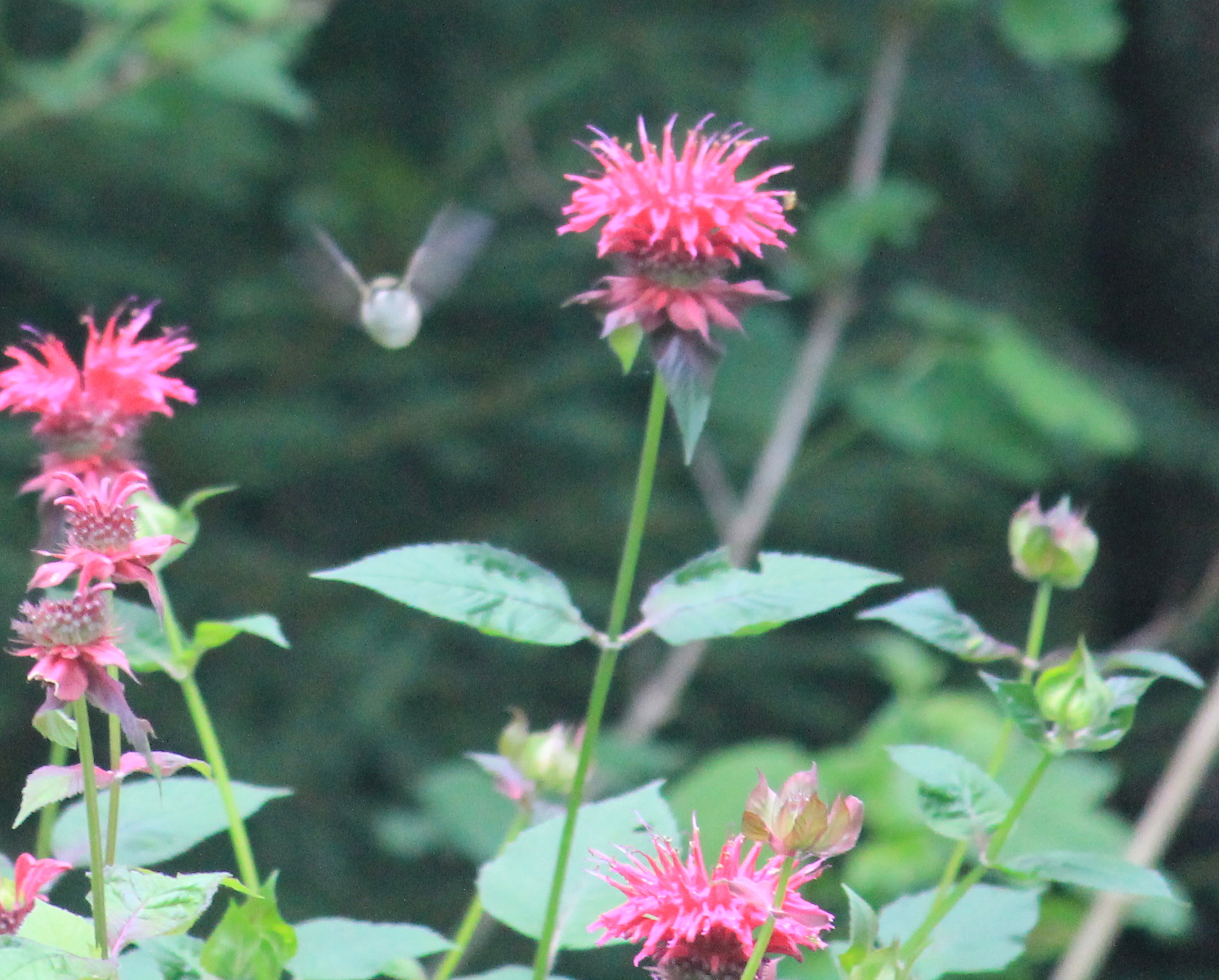
Joy stood before me, weightless. Hovering. Her curious eyes, unafraid, staring into mine, but it was I who was held in thrall. A captive of tiny grace too huge for my human mind to fully comprehend.

Pan held the veil aside while Horus kept silent vigil from above, and for one thousand of her heartbeats I let her be, wondering how long she would stay, and when she would return.

I have decided that my favorite season is whatever one is present. Each month brings new gifts for the awakening senses. Even winter’s muddy March into spring and November’s shedding browns serve to unearth a deepening beauty, feeding the sensory appetite of cyclical growth.
Now I find myself in the middle of July, where the air hangs heavy over a landscape of abundance. Spring’s early greens have burst a rainbow of life that overwhelms the senses. Stepping into my garden, I am greeted with the full spectrum of color split into vibrant hues that attract a multitude of buzzing life. When I pause to take it all in, the effect is the intoxication of Nature: A deep breath beside a full-bloom rose. A tuned ear under the apple tree in early morning, its bows laden with song. The spiky silk of growth massaging naked feet. July’s banquet of color bears no rival for opened eyes…

But some of us are.
I’ll start with my childhood mistakes, at least the highlights that stand out in my mind:
If you knew me, you might be surprised. When grown-ups met me, they thought I was shy, but exceedingly polite and well-behaved. On the outside I was a model child, but I made mistakes. I was so afraid of being different, I participated in the shaming of other children. What most people didn’t know, was that I was a child in turmoil. I had many secrets to hide, and I tried desperately not to let them out. I would do almost anything to be liked and accepted.
I also wanted to be perfect.
Why am I confessing all of this now? Because kids make mistakes, and sometimes these kids are the unexpected ones. But there is always a reason, even if it is as “simple” as wanting to fit in. To be a part of the crowd.
I am the mother of two children who have already made mistakes. I think it’s almost harder to be the parent of the child who makes the mistakes, than the child herself, now that I’ve been in both places. But, neither is easy. My early mistakes still linger uncomfortably inside the shadows of my mind.
In the eighth grade I was given a gift. I was bullied, shamelessly, restlessly, well into my high school years. It was, in hind-sight, a multilayered, difficult and beautiful gift. It helped shaped who I am today. When I moved from the center to the periphery of the popular crowd, I began to look at my world from a different perspective, and I didn’t like what I saw. I didn’t want to be a mean girl. I didn’t want to follow a crowd of girls that were not only outwardly unkind, but were experimenting with sex, alcohol and other activities that spelled trouble in my mind. So, I took the lonely path of the good girl. I still made mistakes, but not nearly as many as I would have, I am sure, had I followed the crowd.
Yesterday, I was given another uncomfortable gift. My daughter had made a mistake. A big one in some ways, a not so big one in others. There were consequences, there were punishments, and life has already started to move on. But there is a bigger picture to look at with this mistake, as there is with every mistake we are gifted. Unlike me, my daughter lives a pretty charmed childhood. Not perfect, but pretty darn good. Yet, she has had a habit, since early childhood, of making impulse “mistakes” without thinking through what she is doing:
Yesterday, she wrote some words in a friend’s memory book that were meant as a joke, but bore the energy of something much different. When I asked her why, she told me she did it because other people were doing it. She didn’t think about the after-effects, she was merely following her own impulse, buoyed by the energy of the crowd. The resulting gift was an opportunity for dialogue.
After my daughter told me what happened, we talked about decisions and choices. We talked about the pause required before we make a questionable choice. We talked about the consequences that can come when you blindly follow instead of pausing and thinking through. We talked about drugs, violence and other unsafe behaviors that follow the energy of the crowd. We talked about being a leader and not a follower. We talked about turning this mistake she had made into an opportunity. Into a gift.
I doubt this will be the last time my daughter makes a mistake (I still make my own), but I hope together we can find the gifts always waiting inside these uncomfortable mistakes and grow them together.
For the past couple of months I’ve been coloring mandalas. I color when I am waiting for the kids to get ready for bed, when I’m talking on the phone, and when I could be writing or cleaning the house. I’m not always coloring, but I crave it, like anything else that makes me happy, often throughout my days and evenings. I tell myself it’s cathartic and meditative, that it nurtures the creative centers within me. And it does. For all you colorers out there, you’ll know what I mean.

I’ll blame my friend Kathy for this addiction, after all she’s the one who kept posting her beautifully colored creations on Facebook for all her friends to see. She’s the one who happily introduced me to the special selection of adult coloring books at our local bookstore, and smiled knowingly as I drooled with delight over those that featured mandalas, fairies and buddhist art. I was already hooked before I opened their covers.
I started with animal mandalas. My first creation the mythical dragon horse seen below:

And, 7 colored pages later, pulled myself away Wendy Piersall‘s beautiful book to join a coloring club (also brought to my attention by my dear friend Kathy and her mom, both of whom were already in the club). To my delight, the group was also coloring mandalas. One a week from their chosen book and going in order, so switching pages was rather painless, especially knowing I could always go back.

I usually start with 5 or 6 pencils, choosing my colors based on impulse, rather than thought. They are quickly selected from the line-up and rarely do I switch them out. Once the choices are made, these 5 or 6 colors define the art I create. It is like the act of automatic writing, or recording one’s stream of consciousness. There is no going back once the pencil is brought to the paper, no erasing and editing, which is my habit if I am creating a non-erasure (versus erasure) poem or working on a narrative manuscript.
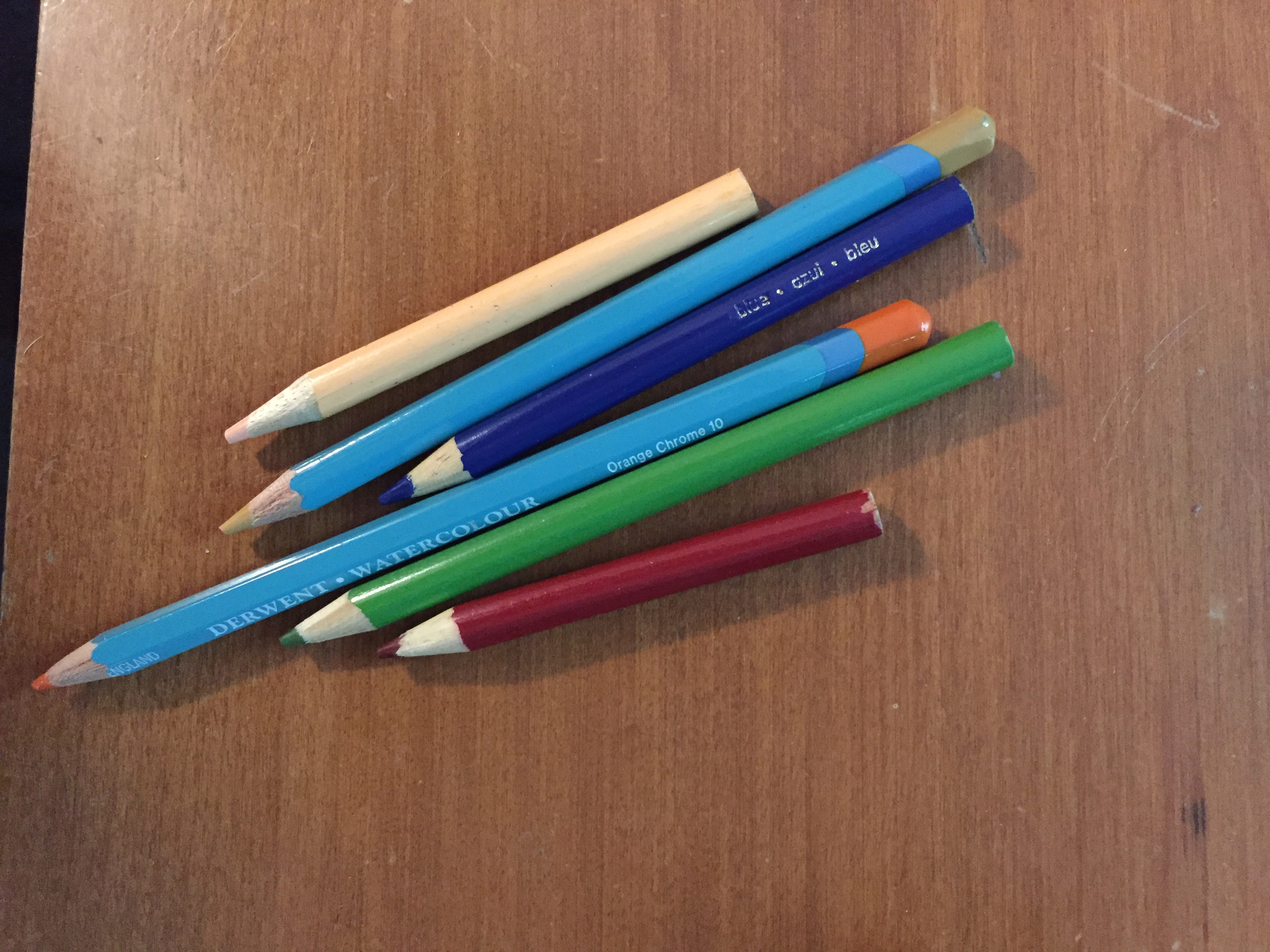
Coloring mandalas, I sometimes cross over the black lines with my pencils and there is the initial impulse to erase, or to berate my mistakes. Thinking I have been careless, imperfect. A temporary break in focus. A common condition of the human mind. Then I stop and smile. I leave the color outside the black, which has bleached into the white space of another shape. My mistakes are me, breaking through the mold of who I once thought I should be. I embrace them as aspects of self that help define me as individual, flawed if you will, or simply multifaceted. Not wholly contained, imperfectly divine manifesting into form.

And I don’t always love what I create. Sometimes the colors are too pale and uniform for my liking. When certain hues are side-by-side there is not enough contrast. They clash or fade into conformity. Still, I leave the colors in the places I have put them, allowing them to remind me, to teach me, of the lessons of growth. It is not always a comfortable process, but it is a necessary one.

The cheaper of the two sets of pencils I use break a lot at the tips, especially after sharpening, but color the space more easily. With less effort I can spread colors through the abyss of white. So I endure the hassle of repeated sharpenings, knowing the risk I take with the pointed tips I create. Sometimes I color with wiggled ends. Sometimes with the broken tips. Coloring, like life, has an element of unpredictably and the need to work with the tools you are given, or have been made available to you. We must improvise, we must settle. I’m still using my children’s pencils, and keep promising them (who sometimes join me in coloring) and myself that we’ll soon purchase more. For now, though, we are content.

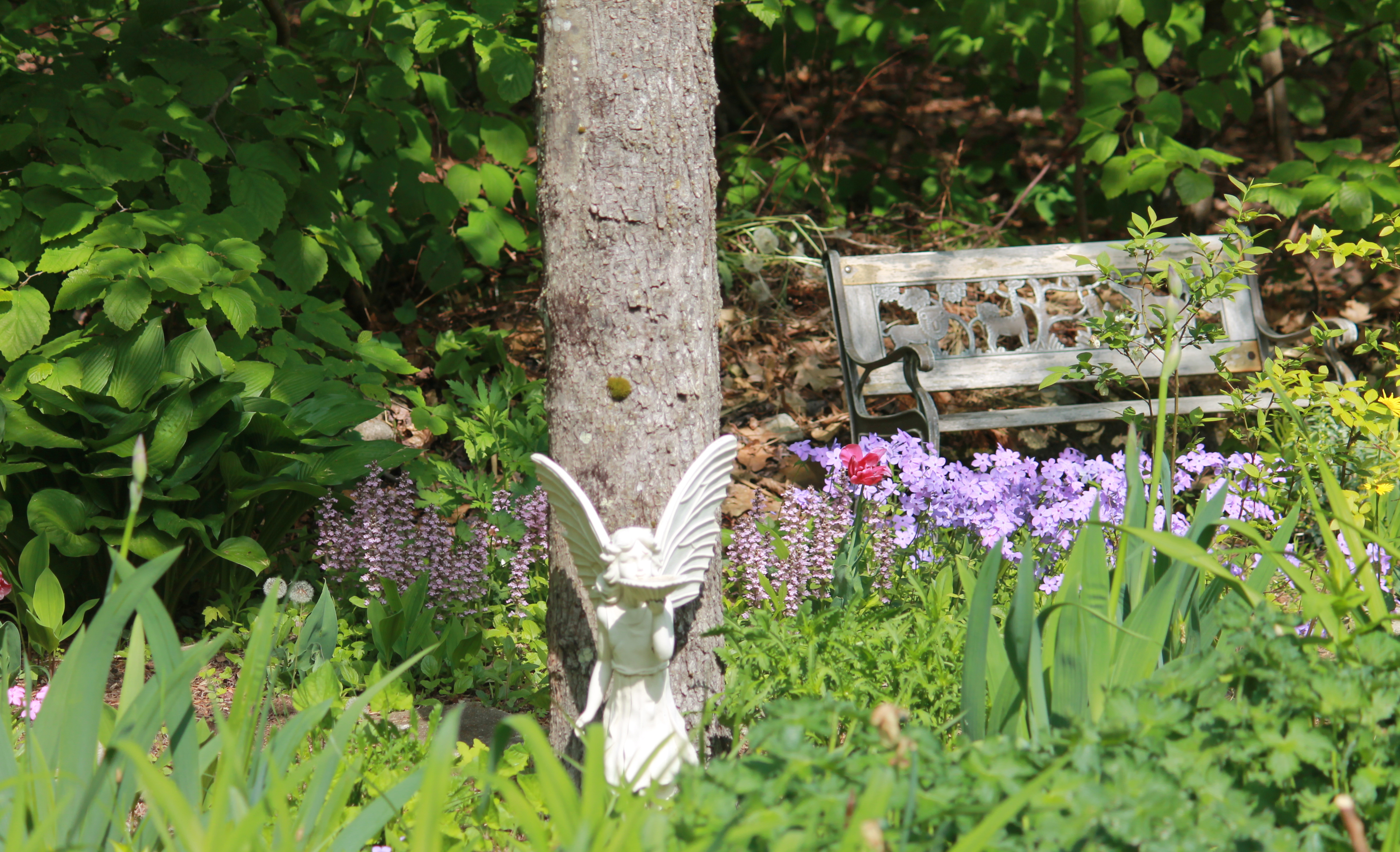
I greeted my daughter off the bus from the seat of the child’s bench in my front garden. “You’re crazy,” she told me, laughing as she smiled at me on her way through the door. My camera in one hand, my back rested against the frayed slats of the bench, I was waiting for the elusive hummingbird that graces my garden only when the camera is safely inside my house.
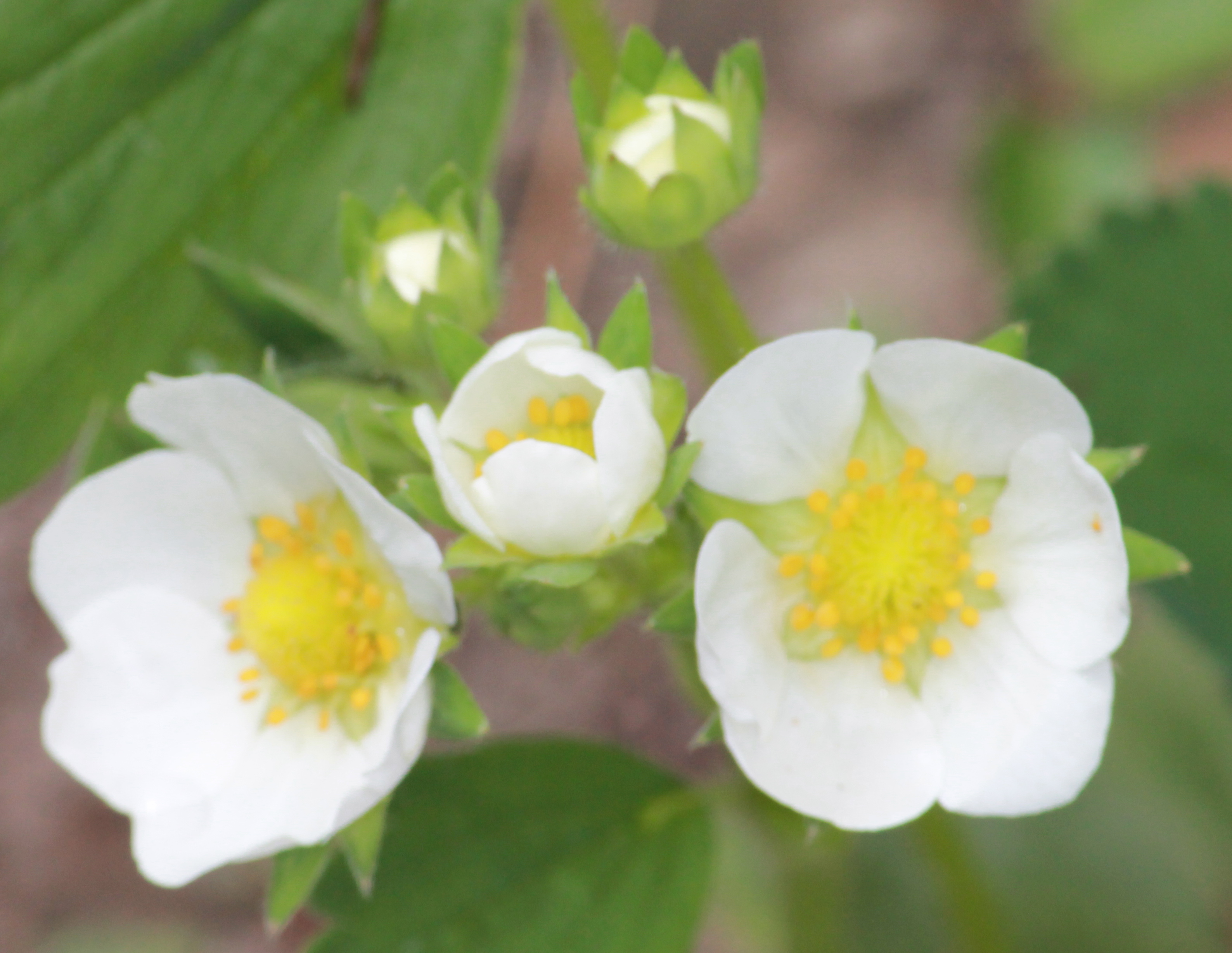
Naturally, the hummingbird did not reappear for me, now that I was sitting in wait with the camera poised to capture. Instead, I took in the magic willing to be seen. Life bloomed all around me. Birds sang joy from the canopy of Nature’s ceiling, while Lily of the Valley spread its heady perfume across her rainbowed carpets.

The rhythm of life moved around me while I sat in wait. Watching. Smelling. Listening. Being.

Until the mosquitos got the better of me. Then I took the camera and walked. Instead of the hummingbird, I captured two squirrels in the act of love…or haste.
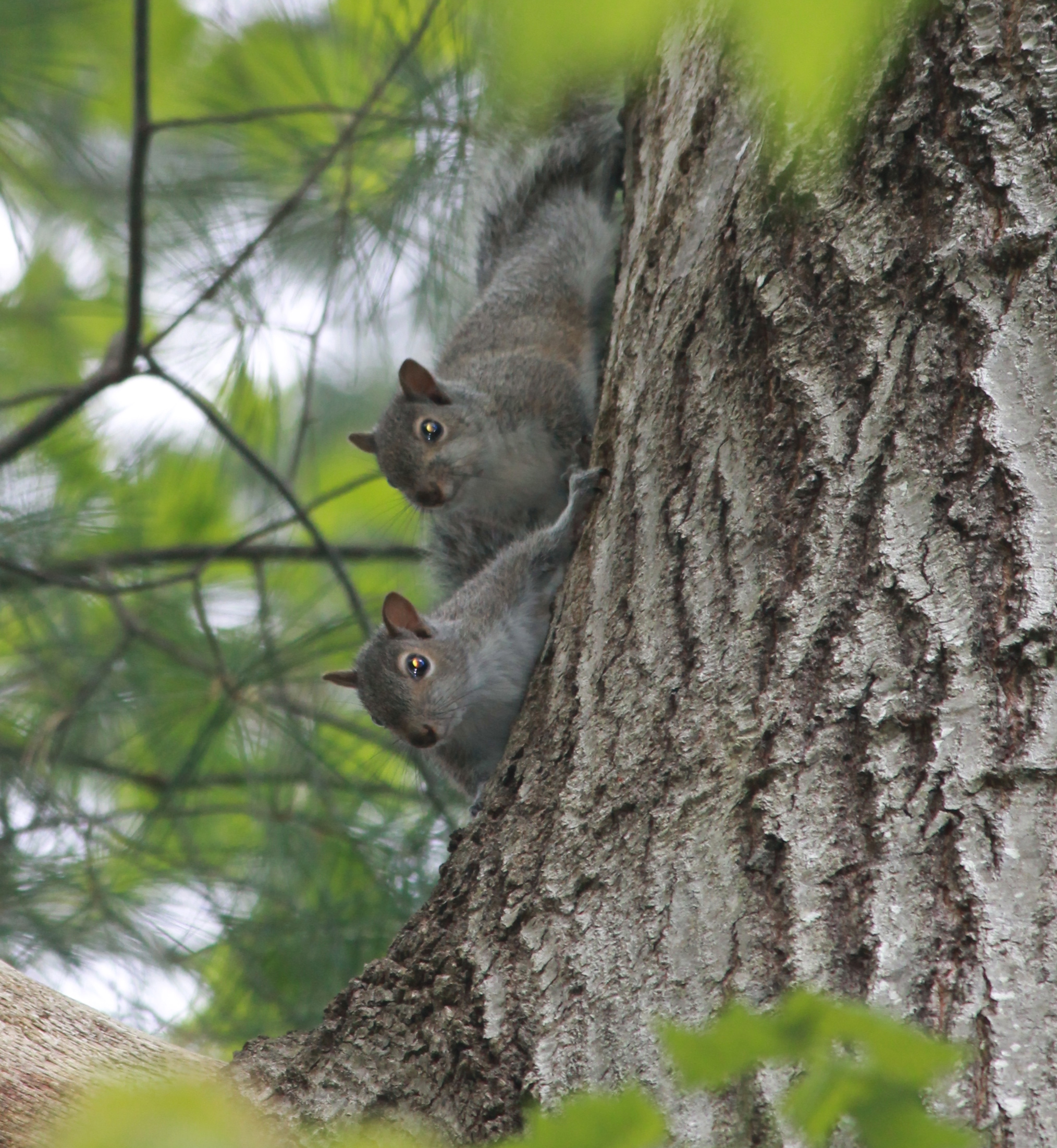
Germination, which had led to growth a few weeks ago, was now blossoming into the beginnings of offspring, and for a few moments I took notice.
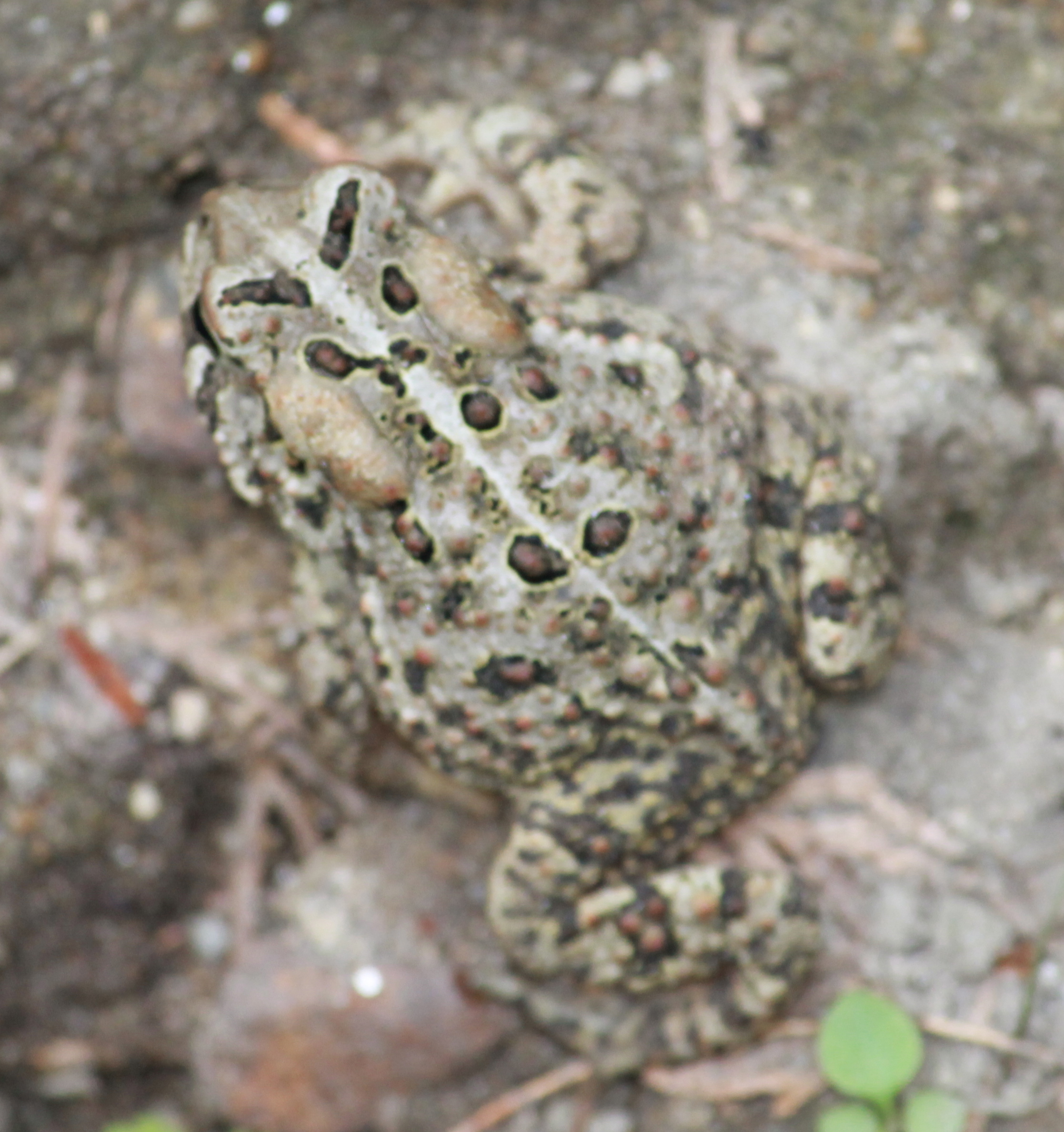
Perhaps tomorrow I’ll meet the hummingbird through the filter of the lens. For now, a toad will suffice.
 The Light Behind the Story