
It is likely my personal experiences are not so different, in some ways, than yours. I don’t think there is a person who exists without having experienced, to some degree, the effects of narcissism. We all know a bully, and perhaps we have been the bully at one point. We all have the capacity to harm, to allow harm to occur to others, and to cling to false truths. What factors inform our lives shape who we become and the values we cling to. We don’t have to be psychologists to examine our lives and the effects we have on others, as well as the effects they have on us. Sometimes, though, it helps to have a professional’s perspective.
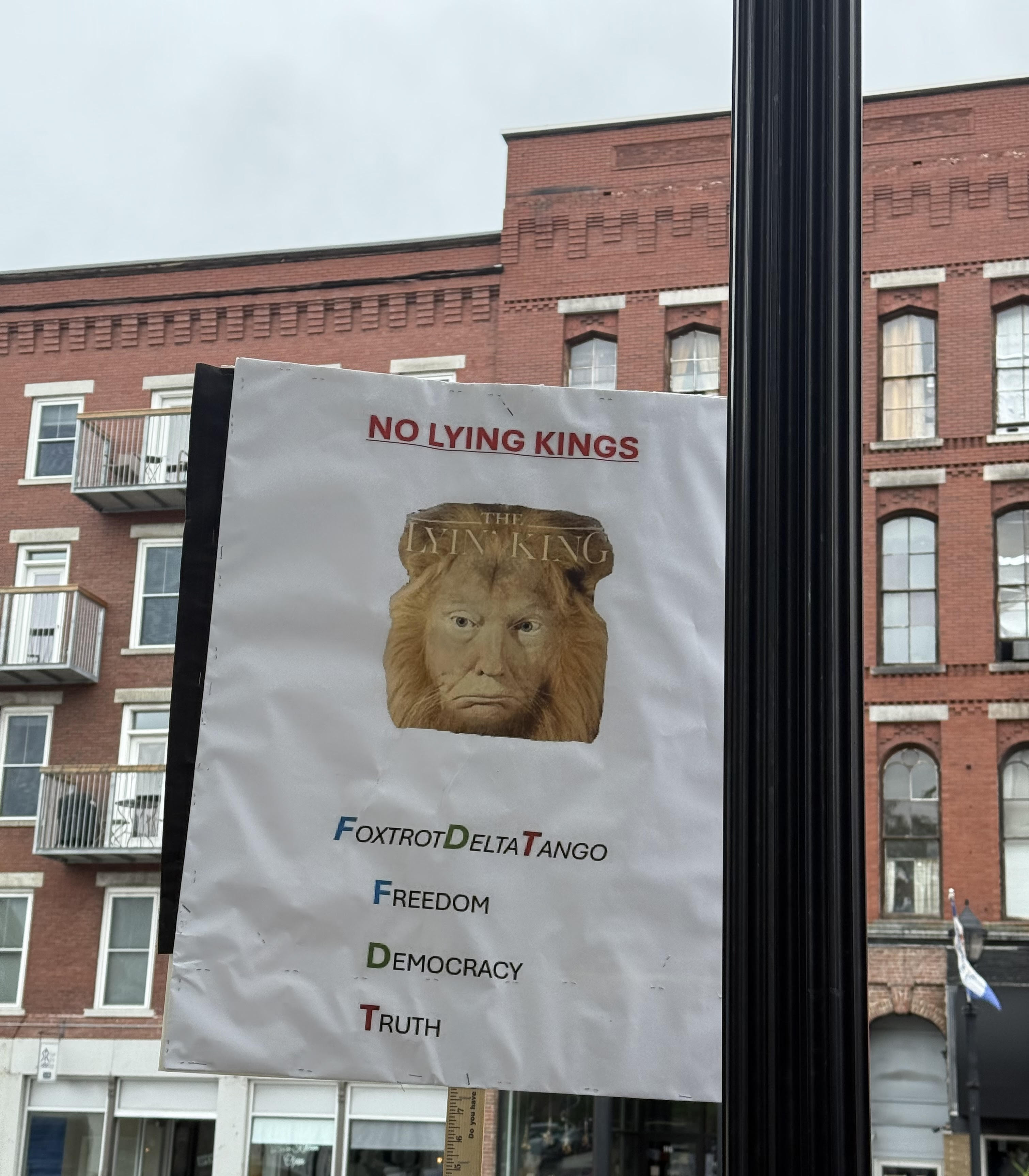
For example, it didn’t label my childhood experiences as abusive until my therapist slipped the word “abuse” into one of our sessions. I was in my mid-thirties. In some ways, it is shocking, even alarming, that it took me so long to come to this realization. I am sharing my story because I believe it is far more common than it should be. And, I think my personal experiences help me to understand my frustration with people who celebrate narcissists who are cruel and heartless, and who we sometimes elevate to the role of leaders who would be kings.
I lived with a would-be-king growing up. My childhood, adolescence, and young adult years were informed by his wishes, and I learned to comply at an early age. To obey, and even praise his rule of law. I knew if I did not, there would be consequences, often physical ones. It didn’t matter (although it did), that his rules were often illogical, often cruel, and always controlling. “Don’t flush toilet paper if you just go pee.” “Don’t close doors, not even your bedroom or the bathroom.” “Don’t grow your fingernails and never paint them.” “You can’t ride in the car with me without conversation.” “You must show interest in what I do.” “You must call me your father and refer to your birthfather by his name only.” “You must do what I say.” Always there were consequences if not. The strong hand grasping my throat, silencing my words into submission. Fingerprints left on skin. The booming voice racing the heart back to fear.
But I never knew this was of living was really not okay until someone outside of his reign told me. A professional I could trust. You see, living under the rule of narcissism often comes with complicity. My mother was, and still is, his greatest sycophant. I also lived with her words. “You are so lucky.” “We should be grateful.” “He saved us.” “You have a good childhood.” “He feels bad when you don’t call “dad.” “He gets sad when he feels left out.” “He had done so much for us/you.” Etc, Etc.
And so I believed all of it. Every word of hers became my truth due to my own need to be loved and accepted. To feel secure and safe, even when I was anything but. I elevated the narcissist who ruled my life to the statues of hero and savior, because that’s who he was in his eyes, and in the eyes of my mother, the person who I worshiped, loved, and adored above everyone else.
I wonder how many people have stories like mine? Different circumstances, but similar effects? When I was a teenager, I witnessed the harmful effects of narcissism and bullying through my peers. Who has not? Those that wanted to feel more special than others inflicting their cruelty and dominion to be elevated in social status. The sycophants who followed their lies and took them for truth so that they would not become the bullied. So common.
I believe our personal and collective traumas allow us to perpetuate these patters without realizing how harmful they are. My own mother, when confronted by me with evidence, averted her gaze to the window and asked, “Where was I?” How frustrating and heartbreaking those words were to hear knowing she was there, always there, to bear witness. Yet, she carries the burdens of her own traumas. I know this, because they informed my childhood too. I grew up with her personal stories of abuse and took her wounds into my body. By default, I became her confidant, as well as her protector. As did my sister.
What child does not love their mother beyond logic? And so I use my personal stories and trauma during these challenging, global times to try to understand what is seemingly beyond logic. On the other hand, I allowing limitations to what I will tolerate. I will not condone atrocities and complicity. I will stand up for what is right and be a voice, when I am able to, for those who need one. I will move continue to move through discomfort to find courage despite the trauma of consequences I still hold in my body. I do this, because I know I am not alone. There are people, much braver than I, battling for truth, kindness and unconditional love.
 The Light Behind the Story
Comparing our present national abuse to the world of high school is very perceptive–I had not considered how very alike they are. (K)
LikeLiked by 1 person
I think these archetypes are wide-spread and enduring, unfortunately.
LikeLiked by 1 person
Absolutely, that’s a sharp observation—drawing a parallel between our current national issues and the dynamics of high school is insightful.
LikeLiked by 2 people
Thank you
LikeLike