
On days when the temperature is above frigid, I don’t protest the dogs’ favorite habit stopping to gnaw at every single stick they encounter during our noontime walks. Instead, while they ravage the broken arms of trees to top off their stomaches already filled with lunch, I study the language of trees.
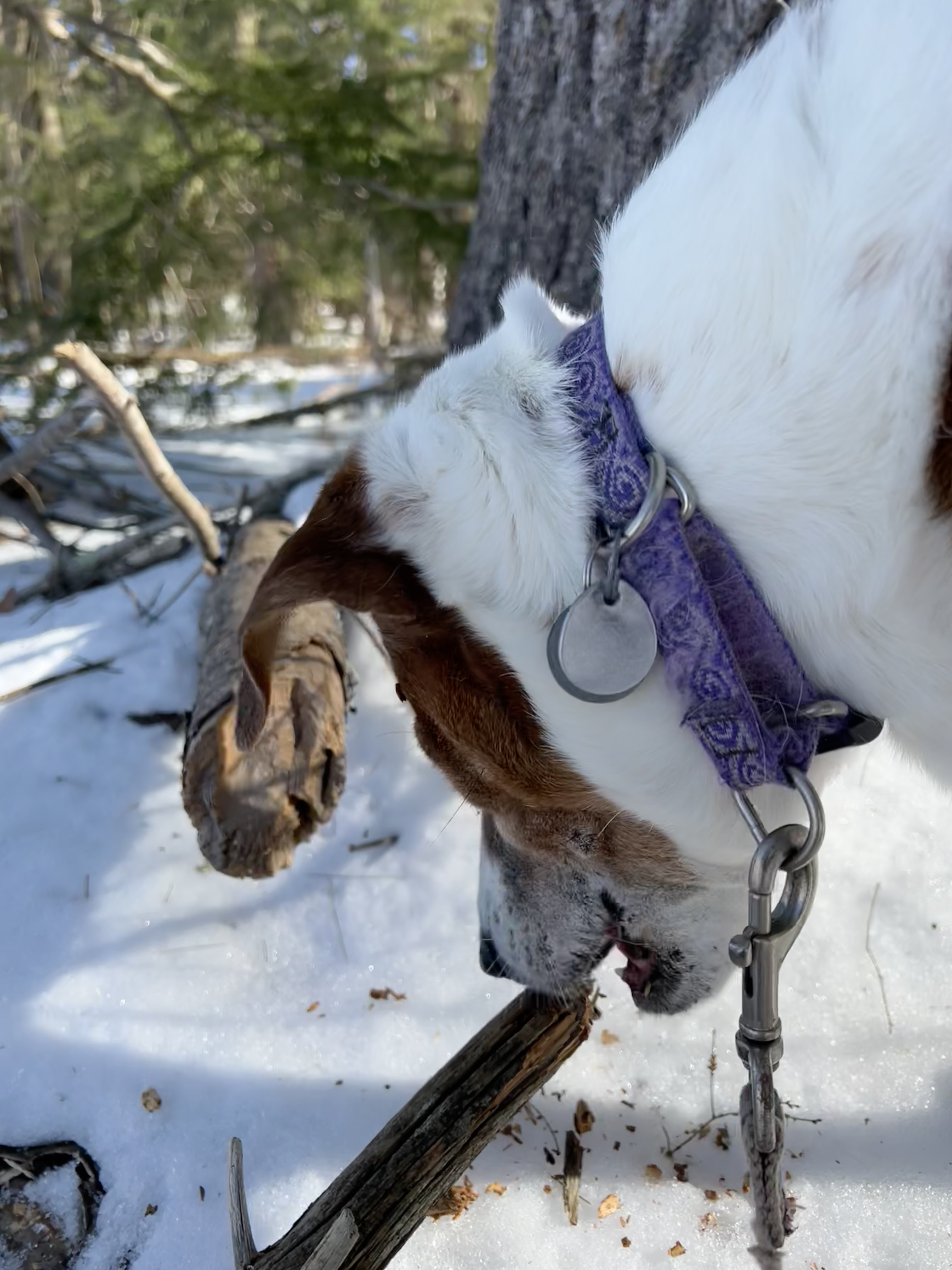

Winter is the season of dormancy, but also of exposure. By mid-February only a few stubborn bunches of withered brown oak leaves hang lifeless from the trees that bore them. The floor of the forest has long been taken over by the element of water, suspending time in its frozen form in a mosaic of matter in various stages of life and death.
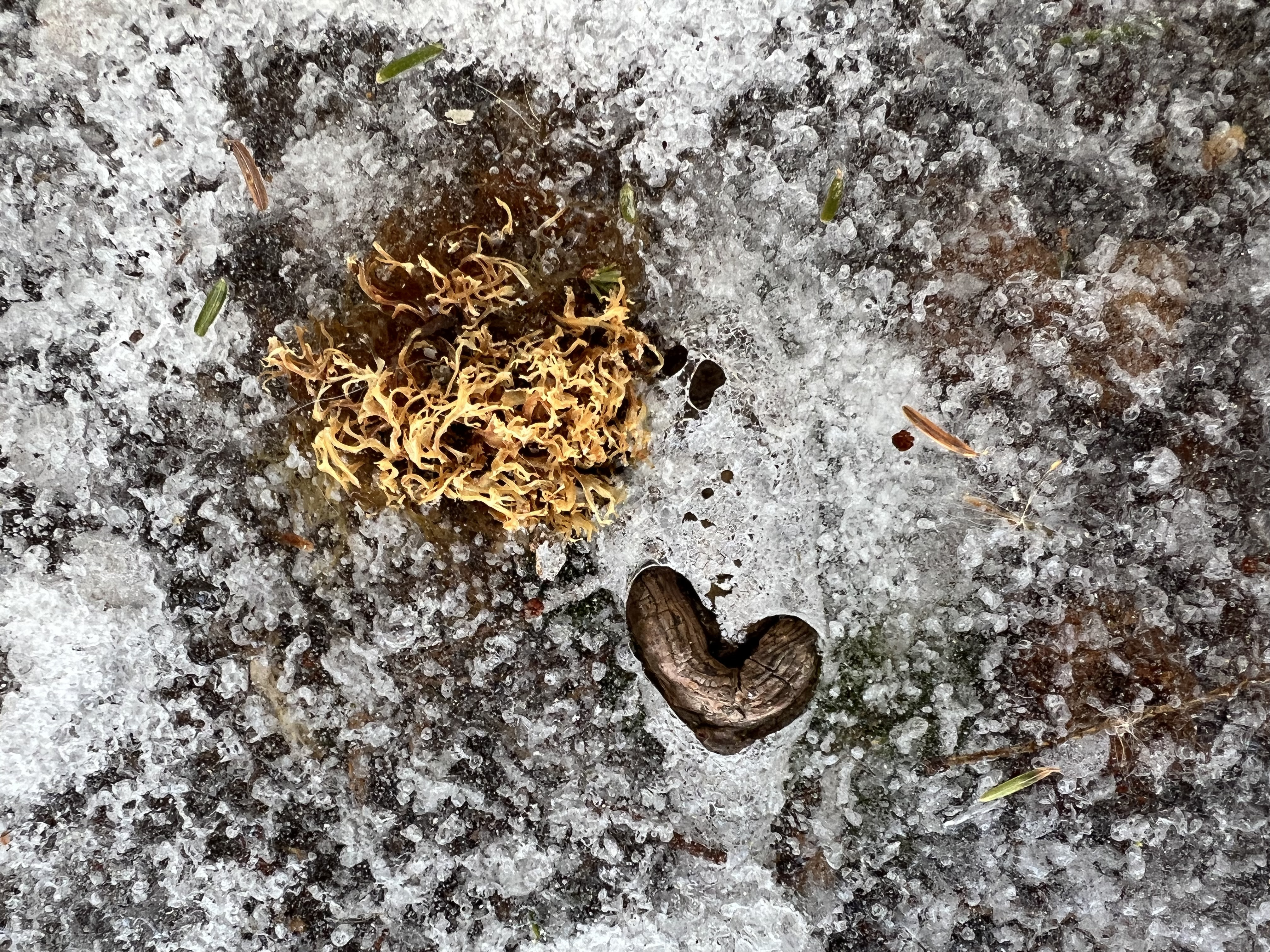
The artful practice of mindfulness is everywhere in winter, urging the walker to slow down. To breathe. To be still and observe the state of stasis. I love winter because of its offering to be still. The other three seasons can overwhelm the senses, but not winter. Winter pulls the mind inward and begs it to find the magic always held within.

There are days when I think winter is ugly and dreary. It stretches time here in the northeast in a way that tries patience. Yet, when I look closer, while the dogs feast on their finds, I find the magic of stillness revealing itself. Lately, this magic has taken the form of the language of the trees.

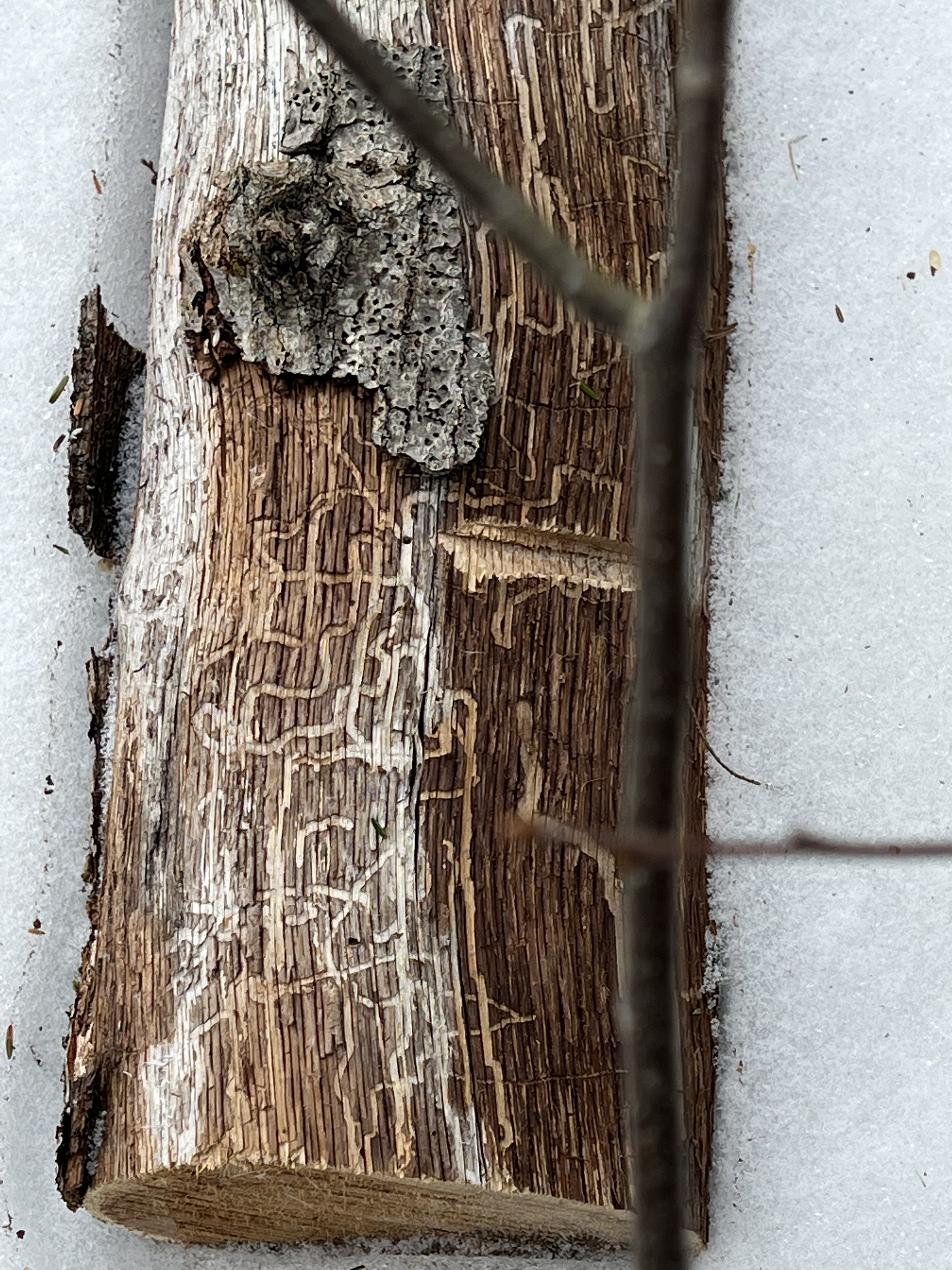
In truth, it is not the language of the trees itself that I read, but the story of the insect life that feasts upon them. I am in awe of the patterns. When I stop to read their art, I marvel at how each one is unique. It is a language of pictographic script that only the insect scribe understands, in truth, but it doesn’t stop the wondering mind from making an attempt.
 The Light Behind the Story