Can we find flexibility and growth in the Year of the Wood Snake? #yoga #2025 #fiveelements

This photo was taken inside a magical forest in England. I don’t know about you, but I see at least three wood snakes.

As many of you are aware, we have entered the year of the wood snake in the Chinese Zodiac. I wanted to take a few moments to explore what this means on an individual and global level. The snake is a creatures that is sometimes revered and sometimes feared. Fossil evidence indicates snakes have been around for at least 165 million years. A highly adaptable organism, snakes exist on all continents except Antartica. Some species are deadly, while others are benign. Most often, snakes notice you before you notice them, if you do at all. Evolved to blend into their environments, snakes are masters of stealth.

In lore that spreads throughout the globe, snakes are depicted as symbols of wisdom and mystery. Sometimes they are heralded as gods, and sometimes as villains. Almost always, though, they are a symbolic of rebirth. Snakes offer an invitation to shed our old skins and find a new way of existence that is different from what we have become accustomed to. They can be both powerful messengers and omens, in both our waking hours and in our dreams.

In yoga, snakes are associated with the kundalini energy, also known as the serpent energy that is said to exist, coiled at the base of our spines until it is awakened. It is a powerful, yet sometimes dangerous energy. Stirring it to life too quickly can cause shock to our systems, yet with care it can lead to powerful creative awakening and healing.

When serpents appear in mythology, they often sprout wings, attesting to the magical, mystical nature of the snake. Consider the depictions of the god Quetzalcoatl from Aztec mythology, Hermes in Greek mythology, and Isis in Egyptian. All adopt the form of feathered serpent gods with the power to heal and transmute.

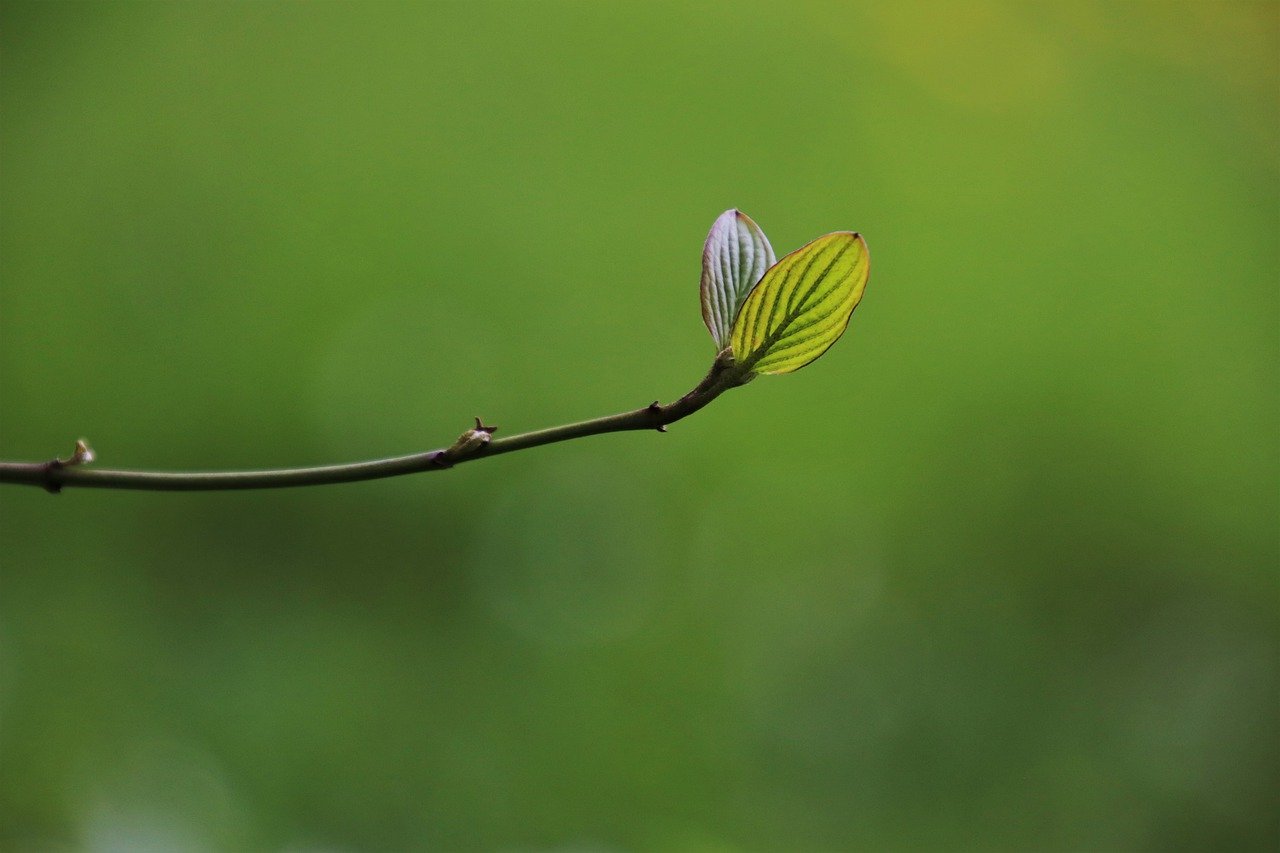
Add the element of wood to the snake, and the symbolism becomes more complex. In Chinese medicine, the wood element is associated with the season of spring and the emotions of anger and assertiveness. It is the second element in the cycle of five elements that repeat themselves (it might help to think of a snake here swallowing an egg). Beginning in the season of winter/birth and the element of water, we cycle through spring/adolescence/wood into summer/young adulthood/fire, equinox/middle-age/earth, ending in fall/end of life/metal, before we repeat the cycle. It can be an endless loop, or it can be a cycle of growth and transformation.

People who are stuck in the element of wood can become rigid with their thoughts and beliefs. Anger is their dominant defense mechanism. It can be a period of resistance to growth. Consider a tree refusing to release its buds. Consider the kundalini energy tightly coiled to the point of rigidity.

Let’s go back to the elemental wheel and look at in terms of the stages of growth in a human being. Water is the period of birth and infancy. When we move away from the womb and into the embodiment of the individual self, we find ourselves entering the season of spring and adolescence. Here is where the wood element resides. As we all know, adolescence is not an easy or comfortable time for most. In order to move into the early stages of maturity/ young adulthood, represented by summer and fire, adolescents must learn how to temper their emotions as they begin to establish their personal autonomy. It is a period of growth ruled by the ego. Or, in yoga speak, the “I Am” presence.

Many people who enter the world of politics often have wood as their primary element. If you are interested in gaining a better understanding of the five element system in relation to personality traits, I recommend Dondi Dahlin’s book The Five Elements.

Wood, in order to cycle, needs water and sun. It needs to be able to bend and grow. Consider now, the flexible nature of the snake. I find it interesting that we have entered the year of the wood snake when here in the USA (and throughout much of the globe) we are facing an onslaught of wood-driven energy in a quest for power and dominance. It is a chaotic and troubling time, yet the snake offers the promise of transmutation. The opportunity to, eventually, shed long-held beliefs dominated by the ego and move into the stages of growth and wisdom. “America” is very much in the wood stage of adolescence. We have been in this stage since colonialism took over a land that was once in a state of harmony and balance.

In this year of the wood snake, we have the opportunity, both individually and collectively, to move ourselves out of the rage-filled energy of adolescence and wood and into the stage of maturing growth represented by the next element of fire. Fire can be destructive when it is not controlled, but it is always transformative. Fire is the element of creative alchemy. It offers the opportunity to acquire wisdom and a different way of existence than what the ego might want to hold onto. It offers the ability to create something new out of the old.

The Cycle of Letting Go into Trust in EMYoga #emyoga #yoga #grief

Nature’s 5-pointed starfish. Photo credit: Pixabay

There is a pattern developing in my yoga classes and it centers in the place of the lungs and heart. In the practice of EMYoga (energy medicine yoga), which was created by Lauren Walker based upon the work of Donna Eden, the body is viewed through the lens of the five elements of ancient Chinese medicine. The elements, which correspond with the seasons, can be viewed as a circle, but also a star. I like the symbolism of both. The star within the wheel.

Water reveals winter’s deceptive stasis. Photo credit: Pixabay

Arising out of the element of water, where life is birthed into being, the energy body (for this post’s purpose, the term energy body includes the entire body: physical, emotional and spiritual) is encouraged to move out of the stagnation of fear into the courage of potential. In the watery world of potential, everything is possible as creation stirs into being.

The wood element takes over in spring, bursting potential into growth. Photo credit: Pixabay

Winter’s hidden growth emerges in the springtime, the element of wood, breaking ground in the cycle of rebirth. The energy body can become restless in the element of wood. Angry, even, when growth is not happening fast enough, or not in the way the mind wants it to. Here, the sometimes frenetic energy of springtime can be tempered, like all energy, through the compassion of the heart. Aggression then becomes assertive action as the energy body learns to harness the force of spring for positive action.

Too much fire can wither life. Photo credit: Pixabay

Spring weaves into the energy of summer, where the heat of the sun burns the fires of creation. Too much fire leads to anxiety, as the energy body seeks to dance and move itself in a thousand different ways. An excess of fire leads to burn-out, and so the flames seek also the tempering of the heart of reason and compassion, moving the creative force into the energy of inspiration.

The phase of balance (equinox) or excess (solstice). Photo credit: Pixabay

As summer wanes, the energy body begins to turn inward to the self, seeking reunion with the inner child who represents the true, joy-filled self. It is the time of transition, where the outer begins to move inward again. The element is Earth, residing in the in-between times of the equinox and solstices. Those with an abundance of Earth energy tend to neglect their inner child in favor of excessive giving to others (summer solstice), depleting the self of sunshine (winter solstice). The energy body seeks balance (equinoxes), urging the turning inward to reconnect with and tend to the inner flame. It’s not always easy to do for those who tend to reside within the element of Earth.

An autumn leaf on the verge of letting go opened to the heart. Photo credit: Pixabay

It takes trust, and letting go, and so we move into the final element on the wheel, and the last point on the five-pointed star, which resides in the “season” of autumn. In the northern hemisphere we are in the middle of fall, so it is fitting that my classes seem to keep finding their way to this seasonal elemental focus. Due to the pandemic, though, loss has become universally poignant. Grief feels like a cloud surrounding us, and for some of us it is deeply infused into our energy bodies.

A scattered deck of Tarot with the Wheel of Fortune in the center. Photo credit: Pixabay

So how do we let go into faith and trust? How do we allow the wheel to keep turning to move back into the season of winter and the phase of infinite potential to bring forth new life? It is perhaps the biggest act of faith we can partake in. Surrendering to the unknown, and trusting in an inherent, yet often elusive-feeling of universal love that supports and surrounds us all, is no easy feat for someone who is immersed in the energy of grief. We, as humans, learn to cling to the tangible as we become accustomed to life in the body. We look for safety and security from the touch of others and the comforts of physical objects. When we lose these things, we often linger on the empty feeling of lose and our sense of security becomes threatened. The ancient Chinese medicine element associated with the season of fall is metal. In Tarot, the element is air, but it is often depicted through the metal symbol of the sword as a representation of this very mentally focused season/element.

It takes mental fortitude and a mighty hand to form the sword, as well as to make the choice to use it of to lay it down in surrender. There are two forms of surrender. Defeat and trust. With trust, as we see in the Ace of Swords, the mental energy of the metal/air element gives way its hold to a higher power. Piercing the crown that sits atop the head, it breaks open the energy of the 7th chakra/ or crown chakra, to open to the wisdom of the divine. It is the ultimate surrender of faith. The mind relinquishes its hold on control and trusts that there is a universal plan that arises from the energy of love. A challenge when one suffers profound loss, yet this trust comes with a knowing that death is a natural part of the cycle of life and this season of loss will move, once again, into the infinite potential of creation.

Ace of Swords in the Rider-Waite Deck